Matchday
New Routes, New Rituals
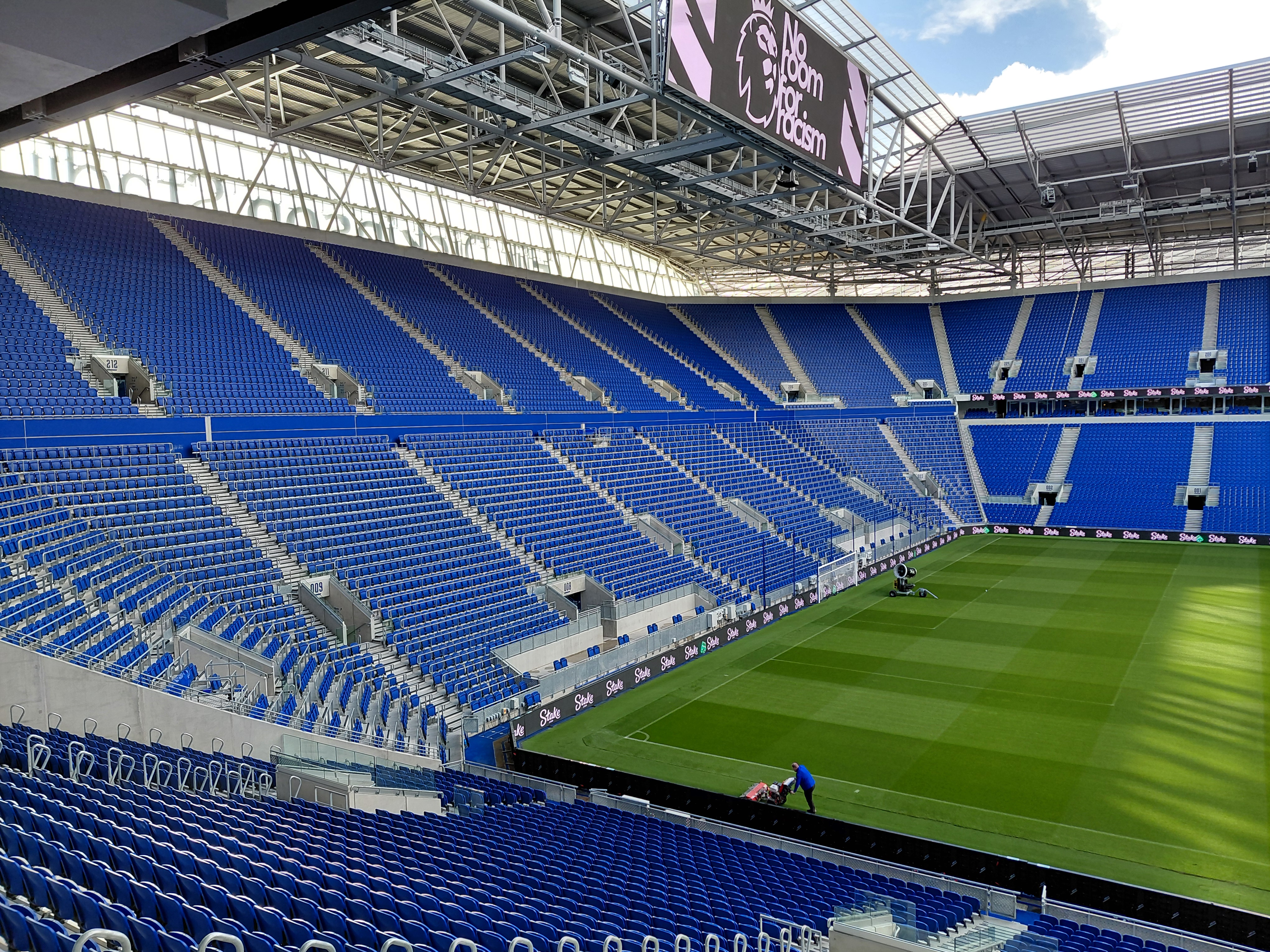
A football ground is not only what happens inside it. It is the journey, the pub, the person you meet, the corner you turn, the place you buy food, the same complaint repeated with religious devotion. Moving ground changes all of that.
Bramley-Moore asks Evertonians to redraw their matchday map. That is exciting and annoying, often on the same afternoon. The river looks magnificent; the transport question still has to work when everyone is tired and the result has gone wrong.
Goodison rituals had decades to settle. Some were beautiful, some were inconvenient, all were known. The new ones will form through repetition: where families gather, where songs start, where the early crowd noise comes from, where people linger after a win.
The club can help with operations, but supporters make the culture. They will decide which routes feel lucky, which pubs become part of the story, and which bits of the ground gain personality first.
A new stadium becomes home when people stop needing to think about how to belong there.
The old routes to Goodison were part of the match before the match. People knew the shortcuts, the meeting points, the timings, the little superstitions. Moving ground means moving all of that invisible architecture.
The dock will build its own map. Some of it will be planned, much of it will not. Supporters will decide where the day starts, where it lingers, and which habits survive the first few seasons.
That is why matchday operation is not a side issue. If getting in and out feels grim, it colours the football. If the day flows well, the new place becomes easier to love.