Derby
The First Waterfront Derby Feeling
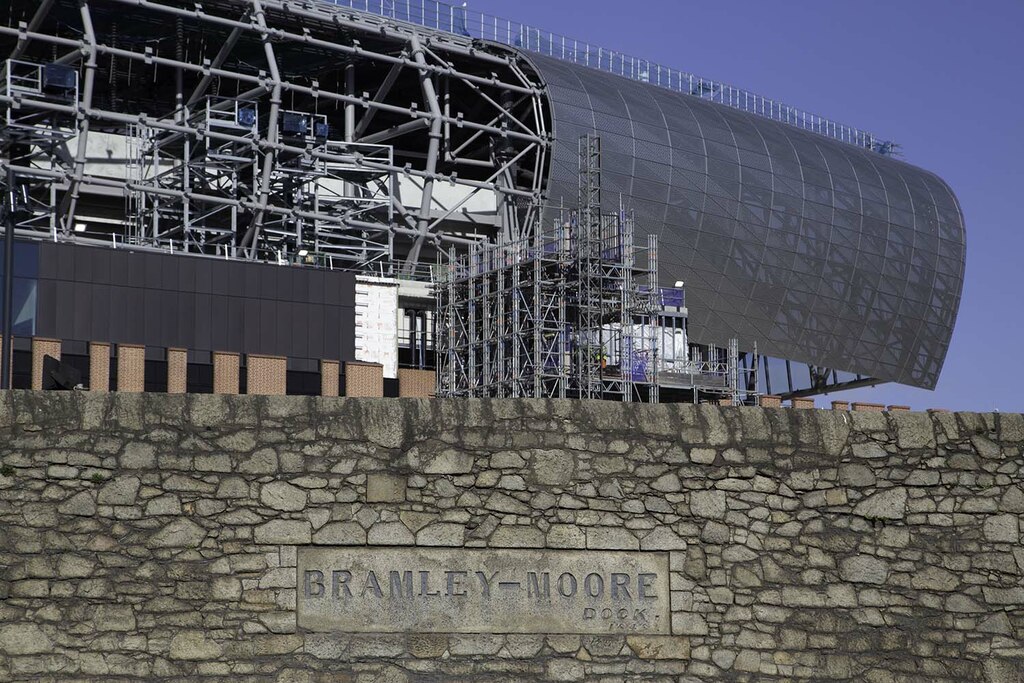
The first derby at the waterfront was always going to carry a strange charge before a ball was kicked. A Merseyside derby is already too much family, work, history and dread for ninety minutes. Add a new stadium and the emotional voltage jumps.
Goodison derbies had a cramped fury that cannot simply be copied. The dock version has to find its own menace. Wider approaches, new stands, river air, different acoustics: the setting changes, but the demand does not.
Everton supporters will want the new place to feel hostile quickly. Not performative, not polite, not a tourist postcard. A derby is where a stadium's character gets examined under pressure.
The players have a part in that. The crowd can bring heat, but tackles, tempo and refusal feed it. A passive derby makes any stadium feel too big. An aggressive Everton performance makes the place shrink around the opponent.
The first waterfront derby is not just a fixture. It is a test of whether the new ground can inherit old teeth.
A derby at a new ground is still a derby, but the temperature has to find its corners. Where does the noise begin? Which stand bites first? How quickly does anxiety turn into force?
Everton cannot let the waterfront derby become picturesque. The setting may be grand, but the match has to feel local, awkward and emotionally expensive for everyone involved.
The first great dock derby will do more for the stadium's identity than any launch line. Win one properly, with edge and noise, and the place will feel older overnight.